October 24, 2026
Introducing Owen Saga 3.0
Owen’s AI writing engine: develop your idea into an editable Story Bible, then generate a complete novel from the plan you approve.
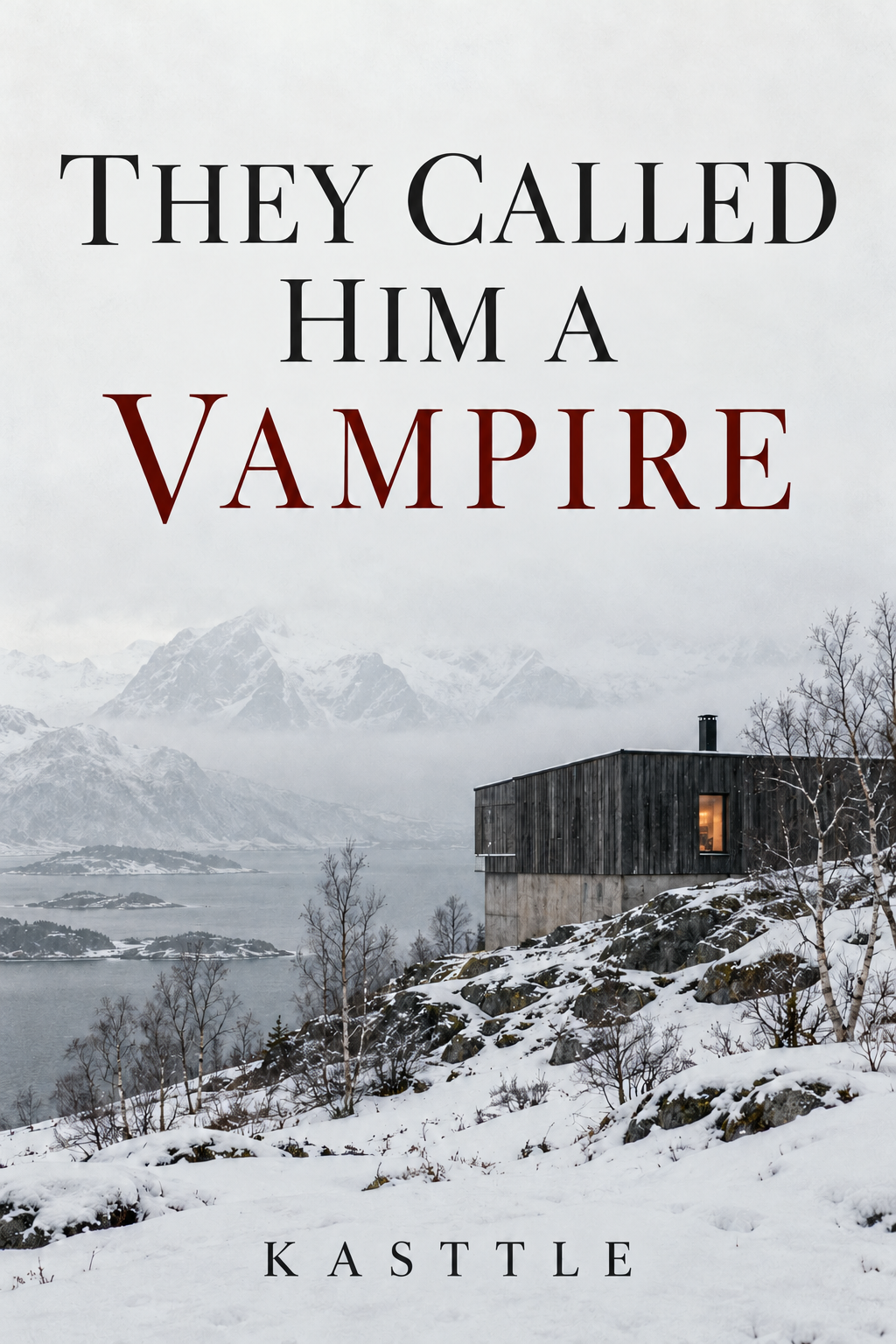
A novel created with Owen Saga 3.0
They Called Him a Vampire
81,244 words · 24 chapters · English
Lukas Lindstrom arrives in an Arctic mining town after his father’s death. A stranger saves him at a railway crossing. Following him leads to a house on a hill, an outspoken engineering student named Freja and a friendship the town’s rumors cannot explain.
The book and Story Bible are free to explore without an account. The Story Bible contains major spoilers.A good opening is only the beginning
Owen Saga 3.0 is the writing engine inside Owen Book Studio. It helps you turn an idea into a book: develop the premise, shape the characters and world, approve the chapter plan, then generate the manuscript. They Called Him a Vampire is a finished example created with that engine.
The problem with an AI-written novel often appears after the impressive first pages. A character forgets what they learned. A small object appears in two places. Conversations repeat explanations instead of changing the situation. Chapters begin to sound alike.
Those frustrations have shaped our work on Owen. With Owen Saga 3.0, our focus is the experience of developing a complete book: giving the idea a clear foundation, carrying the story across chapters and making the result available for the author to review.
Begin with a story you recognize as yours
Your idea becomes an editable Story Bible. You can examine the premise, cast, relationships, locations and chapter plan before committing to the manuscript. That gives you a chance to change the direction while the story is still a plan.
The distinction matters. If you imagined a mythical vampire and the plan turns him into a scientist, that is a creative choice you should see and approve—not a surprise hidden deep in a finished novel.
Keep the book connected
Owen writes with attention to the events already established, the people involved and the information that should remain secret. Its workflow includes continuity checks and manuscript review, with automatic correction where the process identifies a problem it can address.
The aim is to reduce the author’s burden of reconnecting chapters afterward. Characters should act on what they have learned, objects should have a traceable place in the action, and revelations should arrive when the story needs them. These remain quality goals that readers can test in the sample.
Give the idea room to become a novel
The manuscript target is a full-length novel of at least 80,000 body words. Characters, a world and a chapter plan provide room for the story to develop beyond a compressed sequence of summaries.
Length alone does not make a good book. We also care about whether scenes change something, whether dialogue belongs to the character speaking, and whether an ending moves the reader forward. These are among the questions we use when examining results.
See the result for yourself
They Called Him a Vampire is our complete English reading sample: a Nordic mystery with 81,244 words across 24 chapters. You can download the EPUB and explore its English Story Bible without an account.
The EPUB preserves the generated prose without manual rewriting. The accompanying reading article explains the preparation and the automatic reviews that were part of the generation.
Try temporary changes to character text and reference images in the demo. An Owen account lets you start a free Story Bible for your own idea; complete manuscript generation is paid.
Read the complete novel
Download the full EPUB of They Called Him a Vampire, with its cover, contents and all 24 chapters. Open it in your preferred ebook reader and judge the writing across the whole story.
If you prefer to inspect the plan first, the Story Bible is also open. It contains the ending, so expect spoilers.
What we are ready to claim
Owen Saga 3.0 brings idea development, an editable Story Bible, full-length generation and review into one writing experience. The practical benefit is control: decide the direction before writing, then examine the book alongside the plan that guided it.
We continue to evaluate continuity, pacing and character voice in the results. We do not promise that every error disappears; we are sharing a complete sample so you can examine it and help us improve.
Our invitation is simple: read the story, inspect the plan, and tell us where it holds your attention. The author remains the person who decides what to keep, change and publish.
Notes and reader discussion
Prepared by the team building Owen. Community discussions inform the questions, not an endorsement or a representative user study. This English adaptation is a reading sample, not a controlled comparison.
Read the story behind the sample
Start your own story